Bedtime stories, starring your family
Once Upon A Us lets parents create personalized, illustrated, narrated picture books with their kids: describe an idea, pick an art style, and a complete book is generated in minutes. We built the AI generation pipeline, the mobile app, and the subscription business model, then took it through the App Store launch.
- Minutes
- from idea to illustrated, narrated book
- 1
- character sheet anchors every page render
- 5
- IAP products: subscriptions and credit packs
- 100%
- App Store compliance on first submission scope
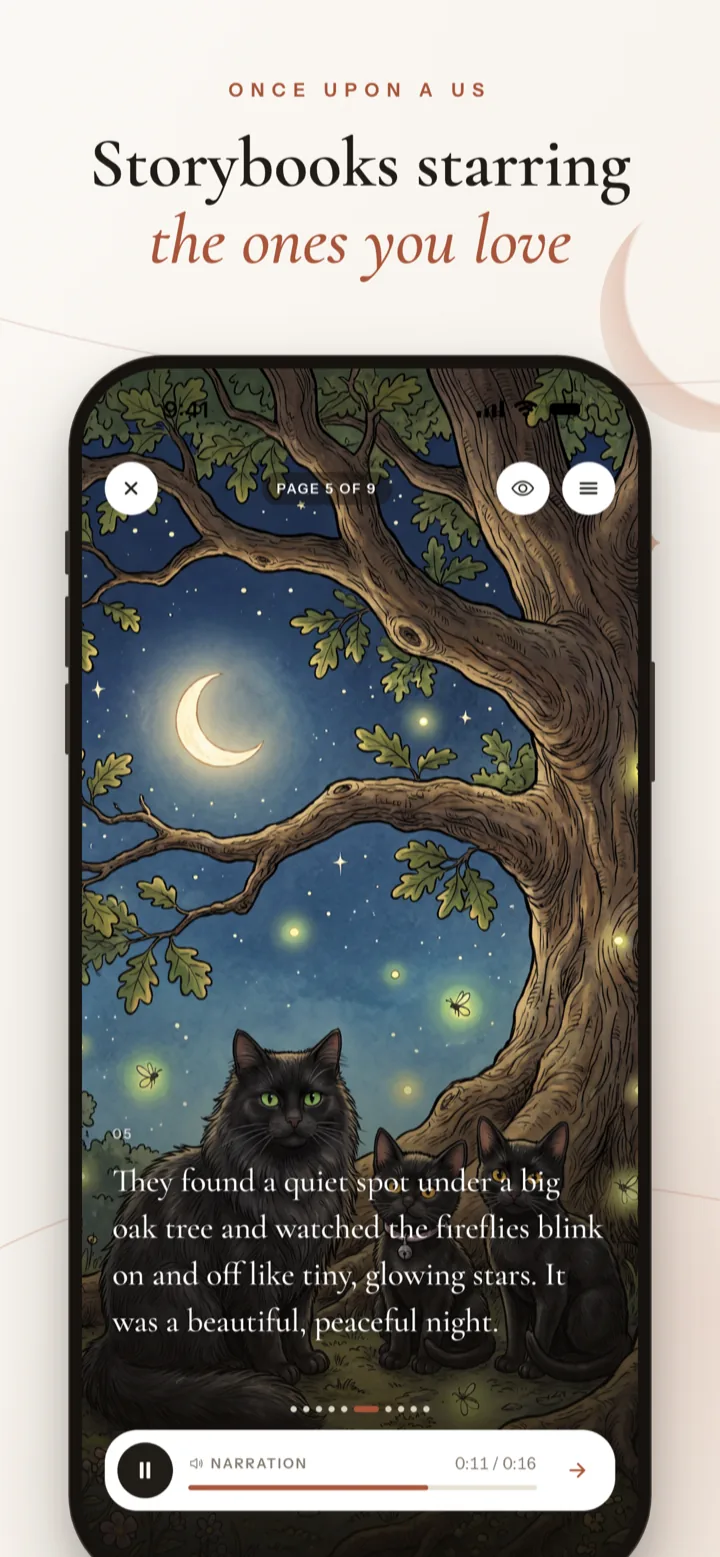
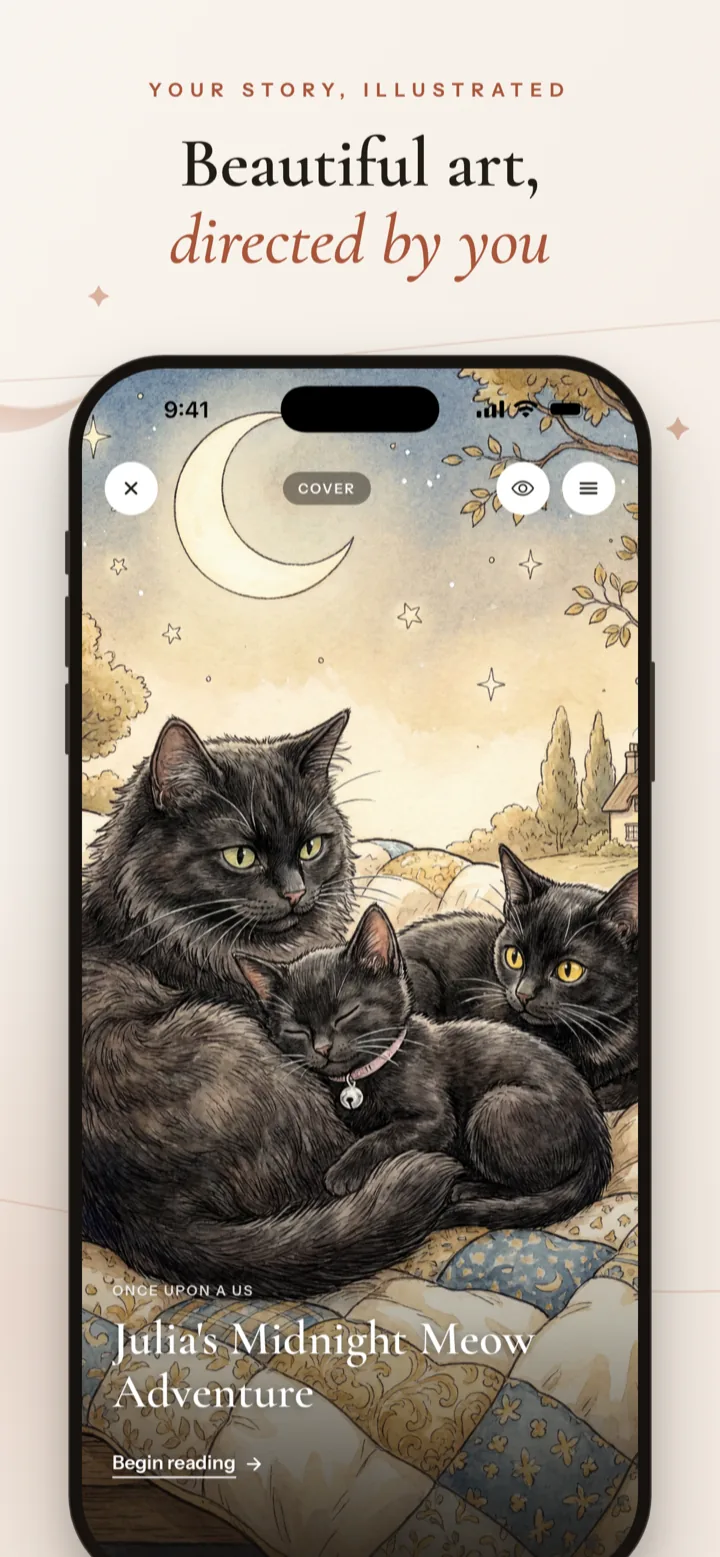
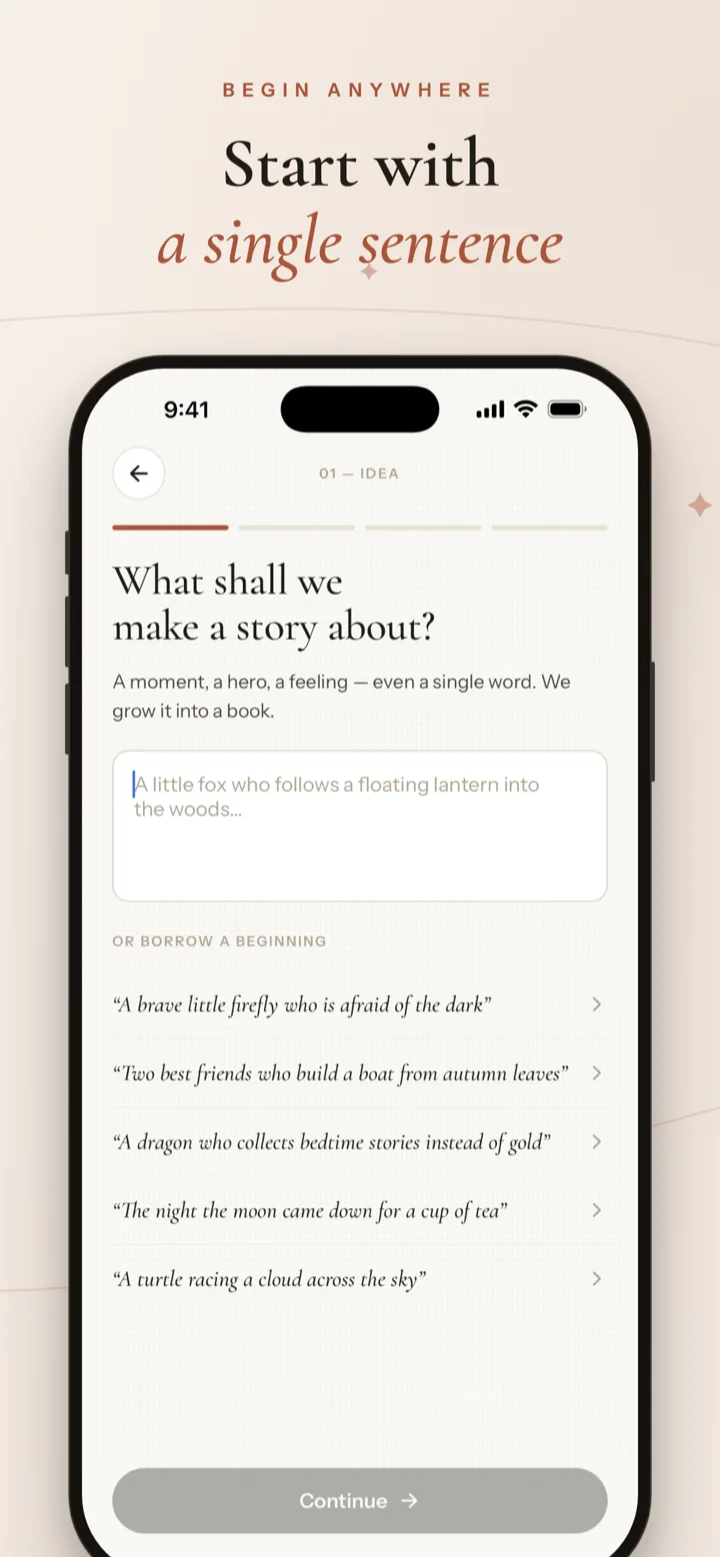
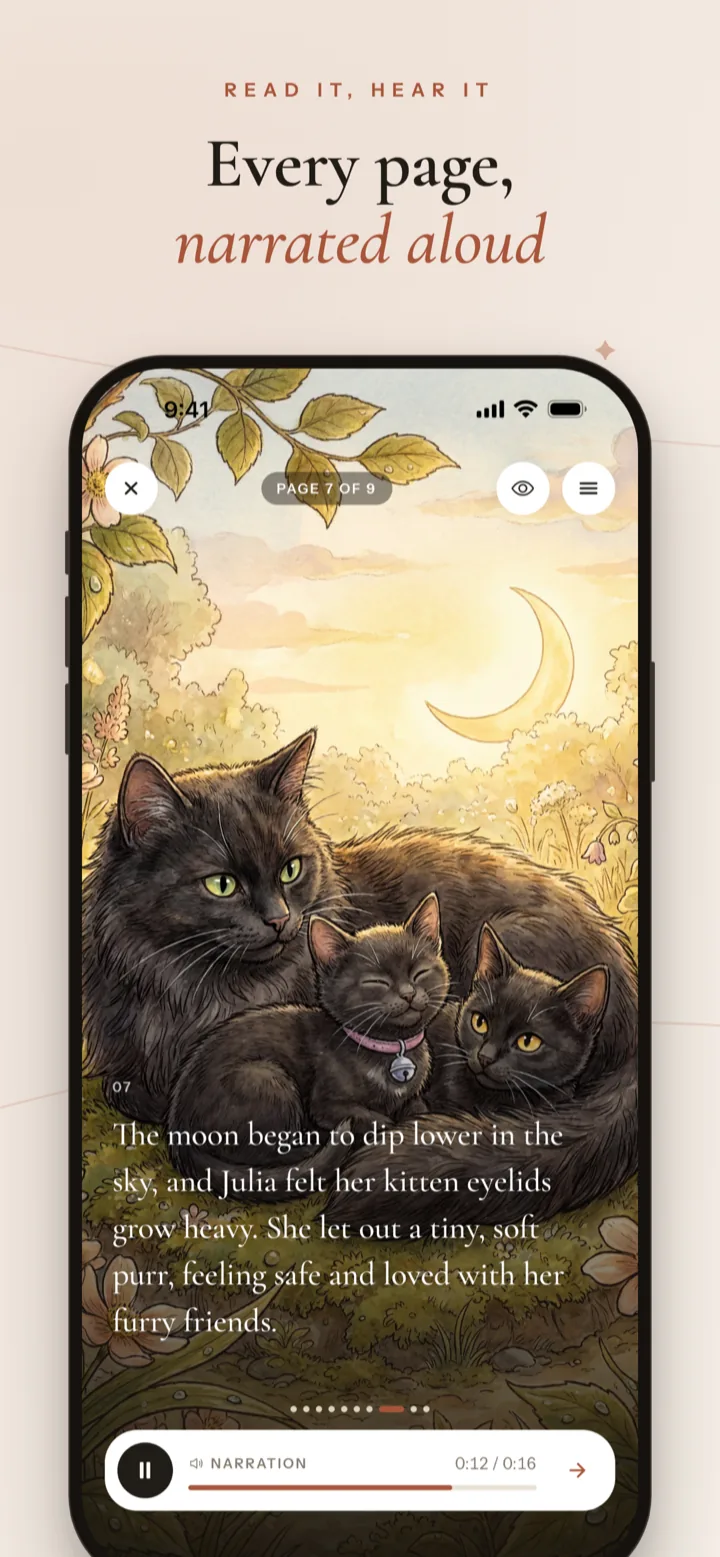
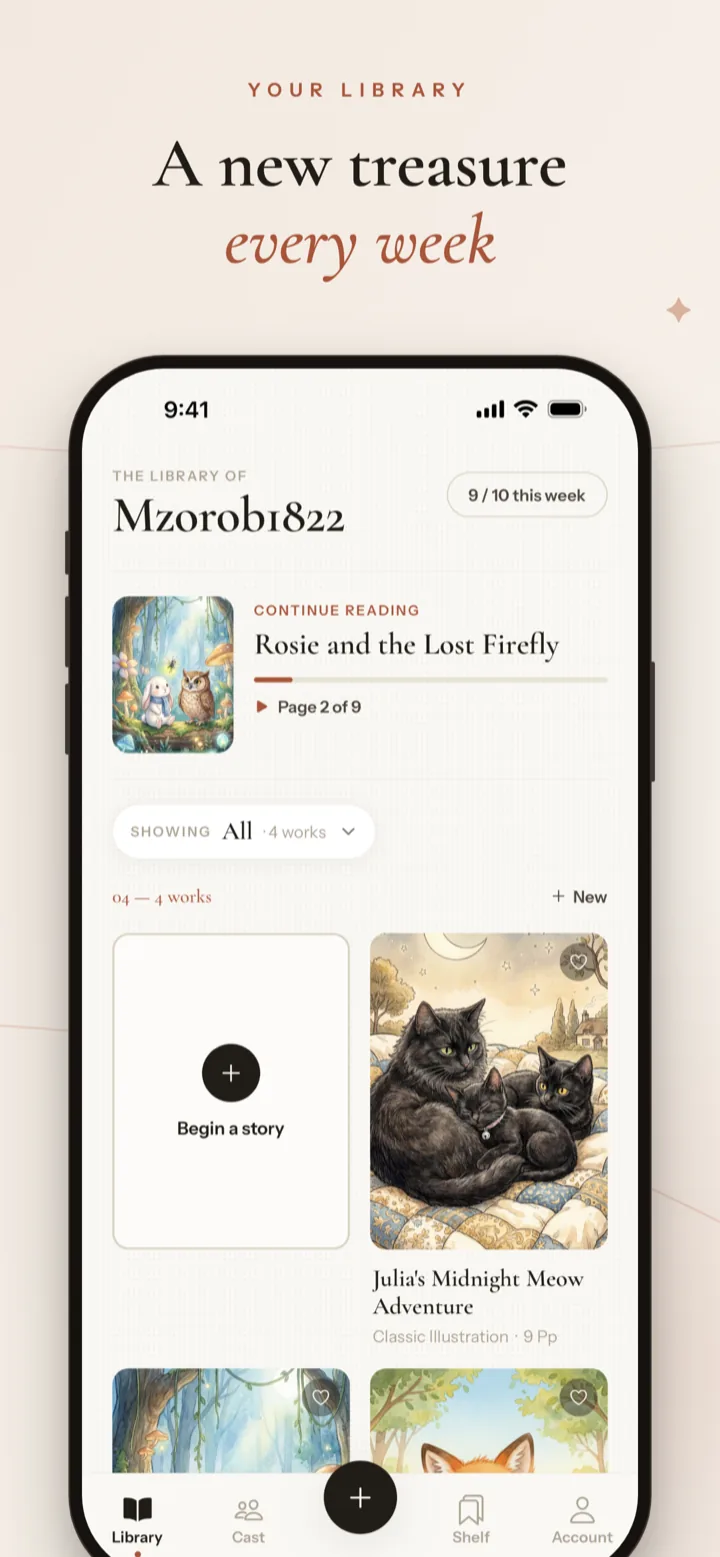
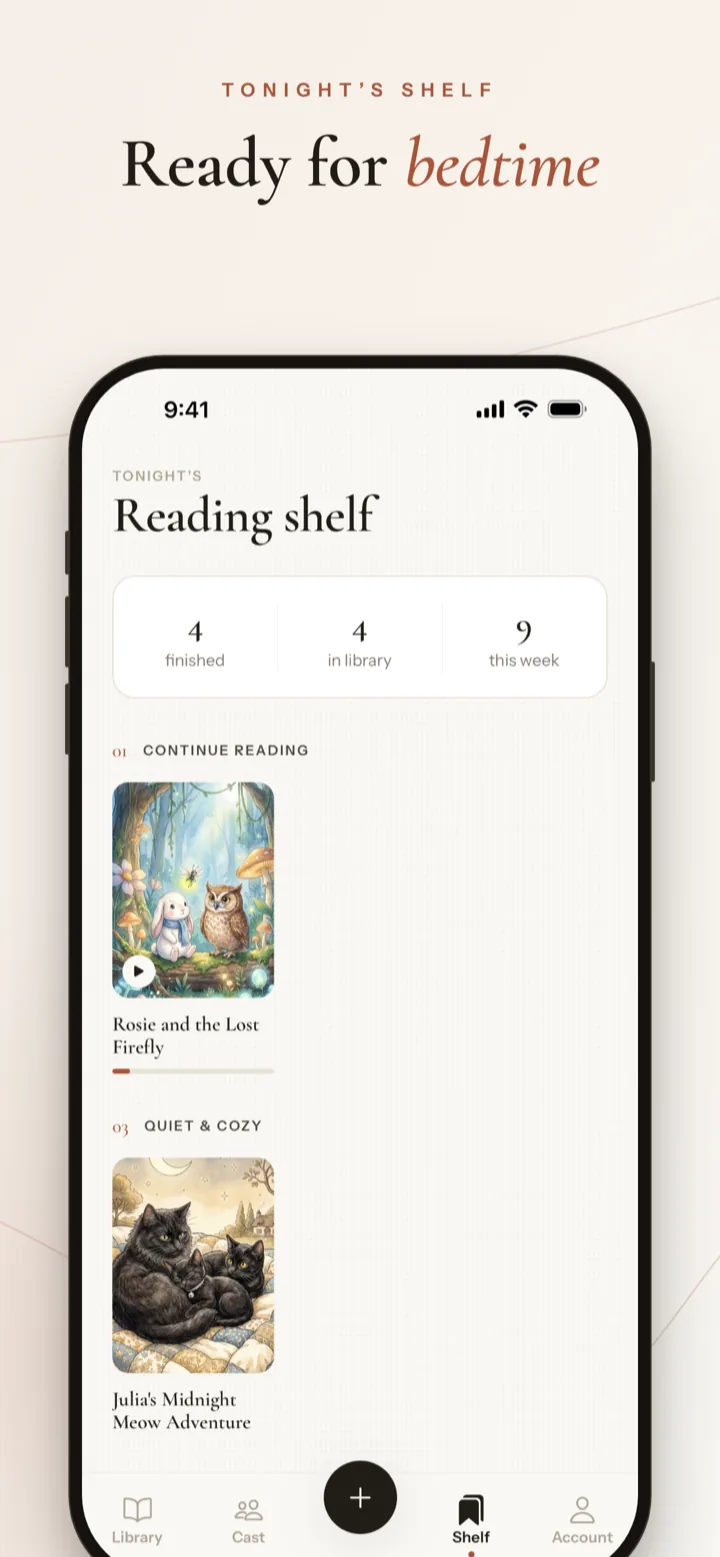
From the live App Store listing (onceuponaus.com)
The problem
Anyone can generate one nice illustration. The hard part of an AI picture book is page seven still looking like page one: same kid, same hair, same outfit. The naive approach (generate each page independently) drifts badly. Once Upon A Us generates a single character reference sheet first, then renders every page in parallel, each one anchored to that sheet. Characters stay consistent. And because the pages render concurrently, a whole book takes roughly as long as a single page.
What we built
- Generation pipeline. Story text via Gemini with structured JSON output, anchored image generation per page, and text-to-speech narration. It all runs as a background job with live progress the app polls and displays page by page.
- Monetization. A hybrid model via Apple IAP: a Studio subscription with a free trial, plus consumable credit packs that never expire. Longer books cost more credits, enforced server-side and verified with Apple's App Store Server API.
- Trust and safety meant server-side prompt moderation, in-app content reporting, account deletion, and hosted privacy/terms. That is the full checklist for an app aimed at families, and App Review accepted it.
- Value-first onboarding. New users flip through a finished sample book before ever being asked to sign up. They see the product work before they see the paywall.
How it's built
React Native (Expo) with TypeScript on the front end; Django on the back end; media on Cloudflare R2; Docker images built in CI and pulled by a small cloud VPS, so production stays quiet during deploys. JavaScript-level fixes ship over-the-air in minutes without waiting on App Review. When AI API keys are absent, the whole pipeline degrades to stubs, so development and CI never burn API quota.
Designing around cost
Every book is real money in API calls, so the economics are engineered: pricing tiers map to generation cost, page count drives credit cost, and the anchored pipeline means failed pages can be retried individually instead of regenerating the book. AI products live or die on unit economics. This one was designed around them from day one.
Outcomes
- The app is live on the App Store, approved within the scope of its first submission, with prompt moderation, in-app reporting, account deletion, and hosted policies all in place.
- Characters hold their look across a whole book. One reference sheet anchors every page, so page seven still matches page one.
- A full book generates in minutes. The pages render concurrently, so a book takes roughly as long as a single page.
- The business model shipped with the app: five IAP products, credit costs enforced server-side, purchases verified against Apple's App Store Server API.